Sleep Issues
When you can’t sleep, everything else gets harder. Your mood, your patience, your ability to cope with the day. It all suffers. And the more you worry about not sleeping, the harder it becomes. If sleep has become a source of anxiety rather than rest, talking to someone might help more than you think.
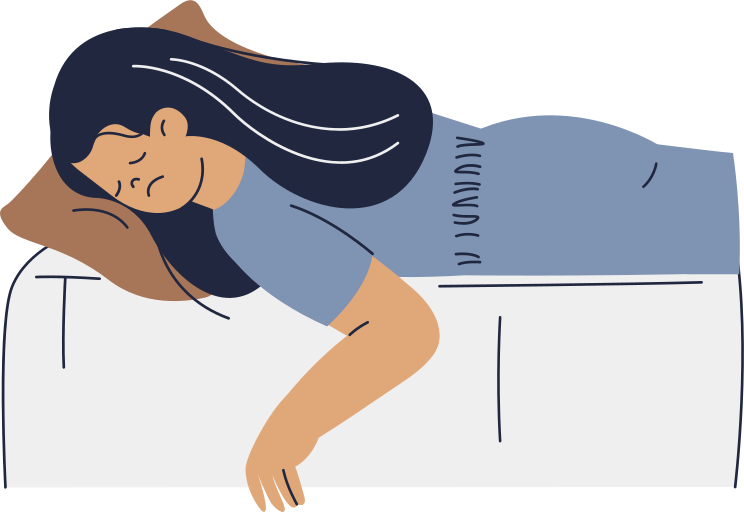
Talking to someone might help more than you think
When sleep becomes a struggle
Sleep difficulties can take many forms. Difficulty falling asleep, waking up in the middle of the night, waking too early, or sleeping but never feeling rested. Your mind might race as soon as your head hits the pillow, or you might wake in the small hours with anxiety or dread.
Poor sleep is often closely linked to what’s going on in our emotional lives. Stress, anxiety, grief, unresolved feelings, or major life changes can all disrupt sleep, creating a cycle that’s hard to break.
How therapy can help
Rather than focusing on sleep hygiene tips, therapy looks at what’s underneath your sleep difficulties. In our sessions, we can explore the thoughts, feelings, and worries that are keeping you awake, and give them the space they need.
Many people find that when they start processing the things that are troubling them during the day, their nights begin to improve too. It’s not a quick fix, but it’s a meaningful one.
You might also find these helpful

If sleepless nights are taking their toll, I’m here to help.
Or email me directly at hcounselling@outlook.com